
Renovating your home
Everyone has a different reason for wanting to renovate. Sometimes it's the simple need for a change. Other times, the motivation is more practical. If you wake up one day with a puddle in the basement and a water-stained ceiling, you know you have to act fast.
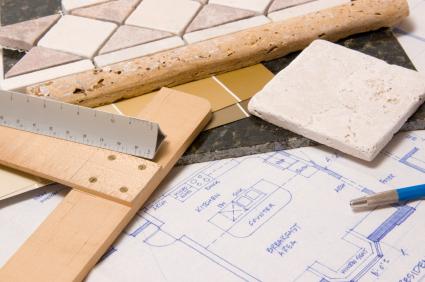
Why Renovate?
Everyone has a different reason for wanting to renovate. Sometimes it's the simple need for a change. Other times, the motivation is more practical. If you wake up one day with a puddle in the basement and a water-stained ceiling, you know you have to act fast.
From the planning stage to the final touches, this guide shares our experience and knowledge with you. And it tells you about some of the first-rate resources we've developed to deal with all kinds of renovation issues. In general, there are three types of renovation: lifestyle, retrofit, and maintenance and repair.
Step 1. Set your priorities
If you're considering several projects, rank them in order of importance. Maintenance items should be given top priority. You'll want to fix a leaky roof before refinishing the floor beneath it!
Step 2. Know what's possibleEvery house has unique strengths and weaknesses. Hire a qualified private home inspector or architect to give you professional advice on what your home needs and what it can — or should — do. Just remember: consulting a qualified professional before you make a big decision is the best way to avoid costly complications down the road. Consider the impact of your intended renovation. The addition you want may look great on paper, but can your heating, plumbing and electrical systems service it? Remember that although your house looks like a static structure, it's actually a collection of components that interact continuously. If you change one part, another may be unexpectedly affected. For example, by adding insulation and installing new windows you can make your house more airtight, and therefore, more energy efficient. But your furnace may no longer operate properly or safely! Increasing airtightness affects heat flow, air flow and indoor moisture levels. You have to understand how these factors are inter-related before you can upgrade effectively. Remember that building codes and local by-laws may also limit what and how you renovate. There's nothing worse than discovering the project you've painstakingly planned is not allowed. Talk to your municipal building department and find out about zoning and permits. |
Step 3. Do the mathCan you really afford to renovate? To know, you need a clear idea of the costs involved. Get quotes from at least two reputable local renovators, architectural firms or materials suppliers. Explain exactly what you want to do and discuss various options. Then, take the most reasonable quote and add 10 to 15 per cent for unexpected costs. Discuss the financial implications of the project with your real estate agent, banker or financial adviser. If you need financing, you may be able to renegotiate your mortgage or apply for a personal loan. You may even be eligible for assistance, as some utilities and provincial and municipal governments offer incentive programs for energy-efficiency upgrades. |
Step 4. Pick your partnersMany homeowners decide to do their own renovations. In most provinces, you may do so, provided you get the necessary permits, follow local building codes, and have the work inspected by the appropriate authorities. Doing it yourself can save money, but there are other costs to consider. Are you prepared to draw up your own plans, get your own permits, and schedule inspections? How much time can you spend away from your regular job, your family, and other commitments? Can you be as efficient or as skilled as tradespeople who do this specialized work every day? You may feel comfortable painting a room or removing an old fence, but specialized tasks that involve wiring, plumbing or heating systems are usually best left to professionals. Some municipalities, in fact, require certain kinds of work to be done by certified tradespeople. There is also the question of equipment: if you don't own the tools, you'll have to buy or rent them. If you run into problems, who will you call? Renovation is a big responsibility, and at times it can be stressful. Most people find that contracting-out the work is best. But choosing the right renovator is extremely important. |
Step 5. Get it in writingAlways get a written contract describing the work to be done, what it will cost and how payments will be made. Never agree to anything before you have it in writing. |
Step 6. Don't worry about the messIt's no fun living on a construction site. In fact, if the renovations are major, you may want to consider moving out for a while. Of course, this isn't always possible. Be sure at least to find out from your renovator what kinds of disruptions you can expect. For example, water and electricity may have to be turned off, heavy equipment brought in, or sanding done at some stage of your project. As the work progresses, ask for specific dates and times so that you and your family can plan around them. You'll also want to negotiate the times workers start and finish each day, and whether they'll work on weekends. Renovators often keep several jobs goings at once, especially during the busy summer season, so there may be days or even weeks between their appearances. These periods must be indicated in the renovator's work schedule. Be aware that renovating can be a dirty job, or at least a very dusty one. If you decide to stay in your house, remove all furnishings and personal items from the work site. If you can't easily move something, cover it with a plastic sheet and seal it with duct tape. Seal off doors to non-work areas and heating and ventilation ducts in the work area. Sealed-off areas will probably require a supplemental source of heat during the winter. The Human Factor A professional renovator and crew will always do their best to be considerate of your privacy and personal space. In turn, they will have certain needs, such as access to toilets, water and a telephone. Plastic runners leading to a toilet, water and a telephone will help keep your carpets and floors clean. Tell your renovator what spaces and belongings are off-limits, and the times you do not want to be disturbed. If workers have habits that annoy you, discuss your concerns with the project manager or your renovator, not with individual crew members. If you allow smoking in your house, place ashtrays in the work area. Otherwise, ask workers to smoke outside. |
Step 7. Inspect as you go
Most renovation experiences are happy ones. But don't assume that things are going according to plan just because you have a sound contract and good rapport with your renovator. Stay on top of your project to prevent minor errors from becoming major problems.
If you have a disagreement, be reasonable. Go over the contract and listen carefully to the renovator's explanations. If you're still not satisfied, get a second opinion from a recognized home inspector or an architect before taking further action.