
Winter Home Care: How to Protect Your Home During the Cold Months
Protect your investment during the winter months with these crucial tips!
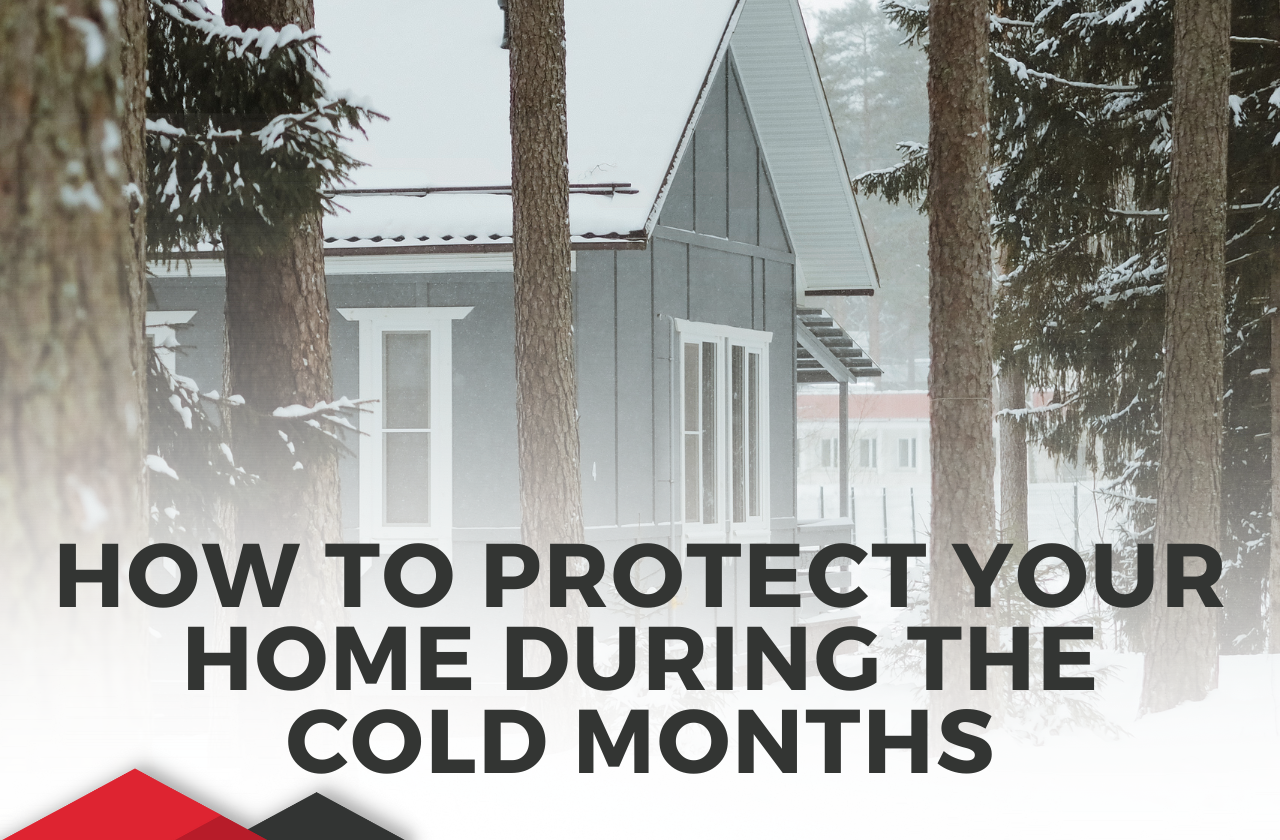
Winter Home Care: How to Protect Your Home During the Cold Months
By December, winter has already settled in with snow, ice, and freezing temperatures. While the time for pre-winter prep has passed, there’s still plenty you can do to keep your home safe, efficient, and comfortable throughout the season. Here’s what homeowners should focus on now:
1. Keep Your Roof and Gutters in Check
Snow and ice can wreak havoc on your roof and drainage system:
-
Watch for Ice Dams:
If you notice icicles forming along your roofline, it could indicate an ice dam. These can cause water to back up under shingles and leak into your home. Use a roof rake to gently remove excess snow from the edges. -
Clear Gutters When Possible:
If temperatures rise above freezing, check gutters for blockages. Proper drainage prevents water damage when snow melts.
2. Prevent Frozen Pipes
Even in mid-winter, frozen pipes remain a major risk:
-
Keep Interior Warm:
Maintain a consistent indoor temperature, even in unused rooms. Avoid turning the thermostat too low at night. -
Open Cabinet Doors:
In kitchens and bathrooms, open cabinets to allow warm air to circulate around pipes. -
Drip Faucets During Extreme Cold:
A slow drip keeps water moving and reduces freezing risk.
3. Manage Snow and Ice Around Your Property
Snow accumulation and icy surfaces can lead to damage and accidents:
-
Shovel Regularly:
Clear walkways and driveways promptly to prevent ice buildup. Use salt or sand for traction. -
Check for Overloaded Roofs:
Heavy snow can strain your roof. If safe, use a roof rake to remove excess weight. -
Trim Hazardous Branches:
Snow-laden branches can snap and damage your home or power lines. Remove any that look stressed.
4. Indoor Comfort and Safety
Cold weather affects your home’s interior too:
-
Monitor Humidity:
Dry air can damage wood floors and furniture. Use a humidifier to maintain 30–50% humidity. -
Test Smoke and Carbon Monoxide Detectors:
Heating systems and fireplaces increase CO risk. Ensure detectors are working properly. -
Reverse Ceiling Fans:
Set fans to rotate clockwise to push warm air down and improve heating efficiency.
5. Stay Ready for Winter Emergencies
Storms and power outages are common in mid-winter:
-
Stock Essentials:
Keep blankets, flashlights, batteries, and non-perishable food handy. -
Backup Heat Source:
If possible, have a generator or wood stove ready for emergencies. -
Know Shut-Offs:
Familiarize yourself with water and gas shut-off valves in case of a burst pipe or other emergency.
6. Protect Your Investment
Ongoing winter care isn’t just about comfort—it preserves your home’s value:
-
Avoid Structural Damage:
Ice dams, leaks, and frozen pipes can lead to costly repairs. -
Improve Energy Efficiency:
Sealing drafts and maintaining systems reduces heating costs. -
Enhance Safety:
Proper maintenance prevents accidents and liability issues.
Winter isn’t over yet, and staying vigilant now can save you thousands in repairs later. Regular checks and small actions go a long way toward protecting your home and keeping your family safe.